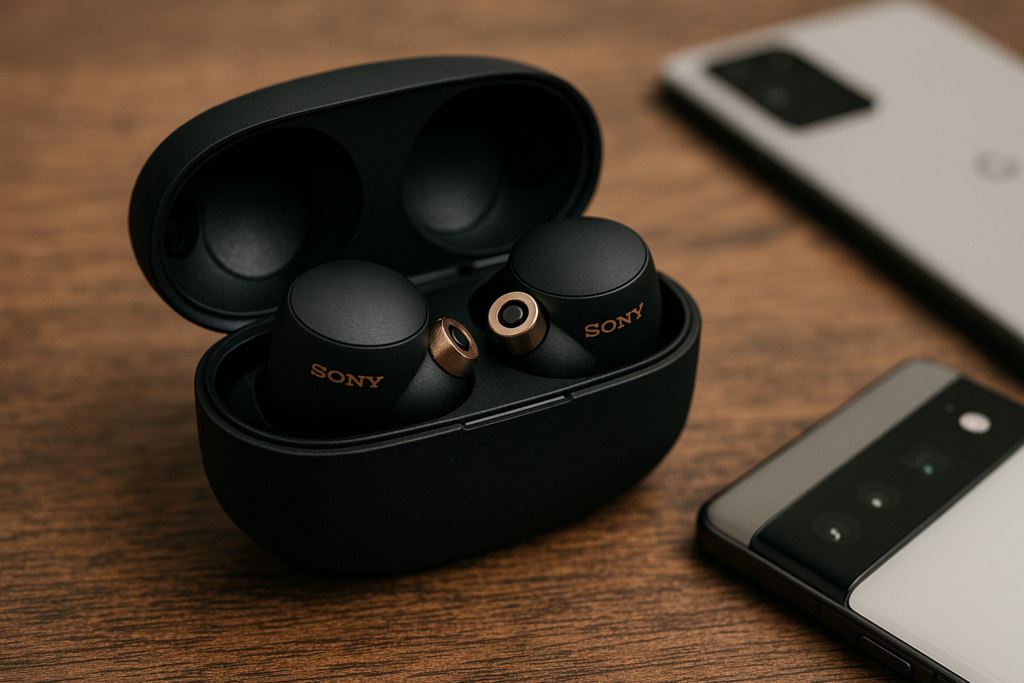
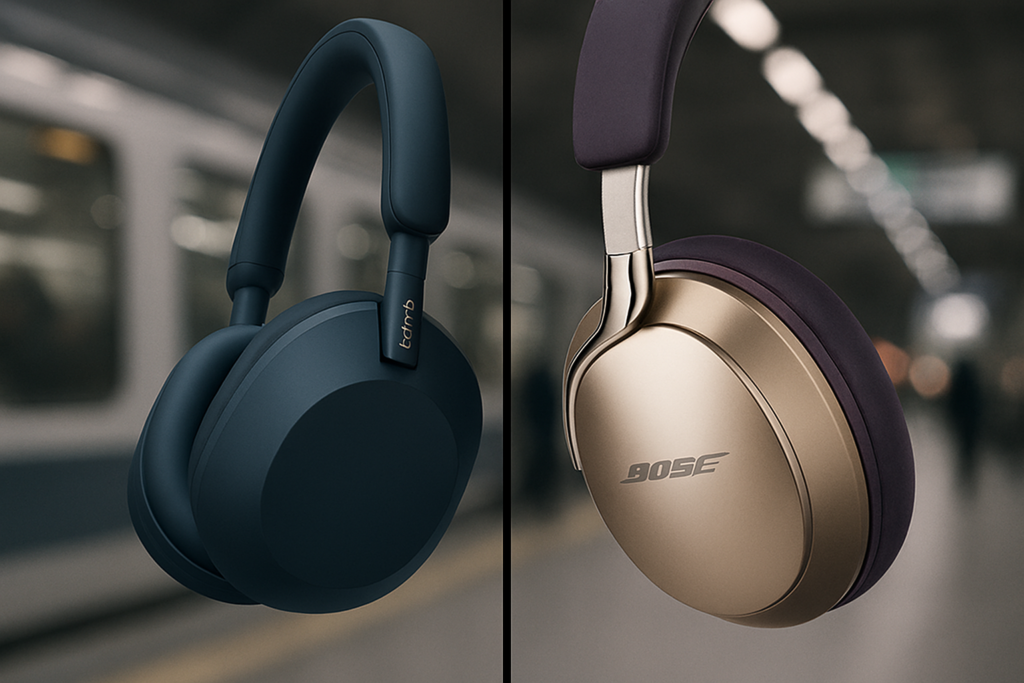
The high-end audio market in early 2026 has been defined by a fierce rivalry between two dominant architectural philosophies. In the blue corner, we have the Sony WH-1000XM6, a device that represents a return to form for the Japanese tech giant after the experimental design of its predecessor. In the red corner, the Bose QuietComfort Ultra 2 stands as a refined, mid-season refresh of an already legendary lineage. For the discerning consumer at Telcocast, choosing between these two titans is no longer a simple matter of brand loyalty; it is a granular decision based on slight variances in noise attenuation, tonal signature, and the practicalities of daily hardware maintenance.
The pricing landscape for these flagship peripherals reflects their status as premium tools. While the Bose QuietComfort Ultra 2 generally commands a higher price point across most regions, positioning itself as a “luxury” tier of noise cancellation, the Sony WH-1000XM6 enters the market with a more aggressive pricing strategy. This price gap is a significant factor in 2026, especially as the raw technical capabilities of both devices have reached a plateau of excellence. Sony’s ability to offer flagship-grade performance for a lower entry price provides a compelling argument for those who prioritize value without sacrificing the core utility of silence.
Design Philosophy and Long-Term Durability
Physical construction remains one of the most visible points of divergence. The Bose QuietComfort Ultra 2 justifies its premium positioning through the use of high-quality materials, including aluminum arms and a more refined, metallic finish on its logo and hinges. This choice of materials not only enhances the aesthetic appeal but also contributes to a slightly lighter feel on the head, which is crucial for long-haul flights or extended deep-work sessions. The Bose design feels purposeful and “executive,” avoiding the purely plastic feel that sometimes plagues high-end electronics.
In contrast, the Sony WH-1000XM6 leans into a more utilitarian, albeit highly functional, plastic construction. While the finish is susceptible to smudging, the functional design choices are where Sony gains ground. The XM6 features larger internal ear cups, making them significantly more accommodating for users who find other “over-ear” headphones to be too restrictive. Furthermore, Sony’s commitment to a more efficient folding mechanism allows the XM6 to occupy a smaller footprint in its carrying case, a detail that frequent travelers will find more valuable than aluminum accents.
Audio Performance and Codec Versatility
The sonic signatures of these two devices are a testament to how far Bluetooth audio has come by 2026. Out of the box, the Bose QuietComfort Ultra 2 offers a brighter, more “Hi-Fi” sound profile that emphasizes top-end clarity and vocal presence. It feels immediately pleasing and energetic, making it an excellent choice for modern pop and acoustic genres. Bose’s approach to immersive audio also continues to lead the industry, creating a spatial soundstage that feels expansive and natural without the artificial processing artifacts that can sometimes distract the listener.
Sony, meanwhile, offers a more grounded and customizable audio experience. The XM6 delivers deep, controlled bass and a rich mid-range that shines when paired with high-resolution codecs like LDAC. While the default tuning might feel slightly more “veiled” compared to the Bose, Sony’s 10-band equalizer provides an unmatched level of control for the user to sculpt their own perfect sound profile. Additionally, Sony’s faster charging capabilities—providing hours of playback from just a three-minute charge—ensures that the XM6 is a more resilient tool for users who are constantly on the move and cannot afford long downtime.
The Battle for Silence: ANC and Transparency
Noise cancellation is the primary battlefield for these products, and in 2026, the margins of victory are thinner than ever. After extensive testing across various environments—from city traffic to office hum—it is clear that Sony has managed to retain a slight lead in pure noise attenuation. The XM6 creates a sense of “absolute quiet” that feels just a fraction more complete than the Bose. For those who use headphones primarily as a tool to disappear into their own focus, Sony remains the gold standard for blocking out the chaotic frequencies of the modern world.
However, the “transparency” or “ambient” mode is where Bose claws back significant territory. The QuietComfort Ultra 2 offers a more natural representation of the outside world, allowing the user’s own voice to sound clear and non-processed during calls. This makes the Bose a superior choice for hybrid workers who frequently transition between deep focus and collaborative meetings. While both devices feature high-quality microphone arrays capable of filtering out wind and traffic noise, the transparency fidelity of the Bose makes it a more comfortable device for long-term communication.
Choosing Your Personal Standard
Ultimately, the decision between the Sony WH-1000XM6 and the Bose QuietComfort Ultra 2 comes down to the specific priorities of the user’s lifestyle. The Bose is arguably the more “premium” experience, offering better materials, a more comfortable fit for smaller ears, and a superior transparency mode for communication-heavy roles. It is the choice for the professional who values aesthetics and a “bright,” high-fidelity sound signature right out of the box.
On the other hand, the Sony WH-1000XM6 is the superior choice for the “power user” who demands the absolute best noise cancellation available and values a more practical, travel-friendly design. With its deeper EQ customization, faster charging, and more aggressive price point, the Sony offers a level of utility that is hard to ignore. In the 2026 landscape of premium audio, Sony has managed to deliver a package that feels like the more complete tool for the modern, tech-focused individual.
Explore more on for the latest in Gadgets, Technology, and Sound Engineering.